
-
Your shopping cart is empty!


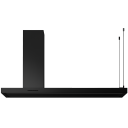
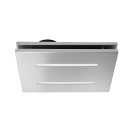
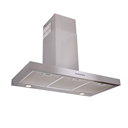
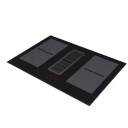

Save Up To 45% Prices Already Reduced No Codes Needed Fast UK Delivery
.png)
UKs Largest Range Of Quality Kitchen Cooker Hoods
At Luxair, we design, manufacture and sell our cooker hoods directly to you no middlemen, no retailer markups. Our kitchen extractor fans are engineered in Italy and stocked in our UK warehouse in North Yorkshire, so you get genuine European craftsmanship with fast, reliable home delivery across the whole of the UK.
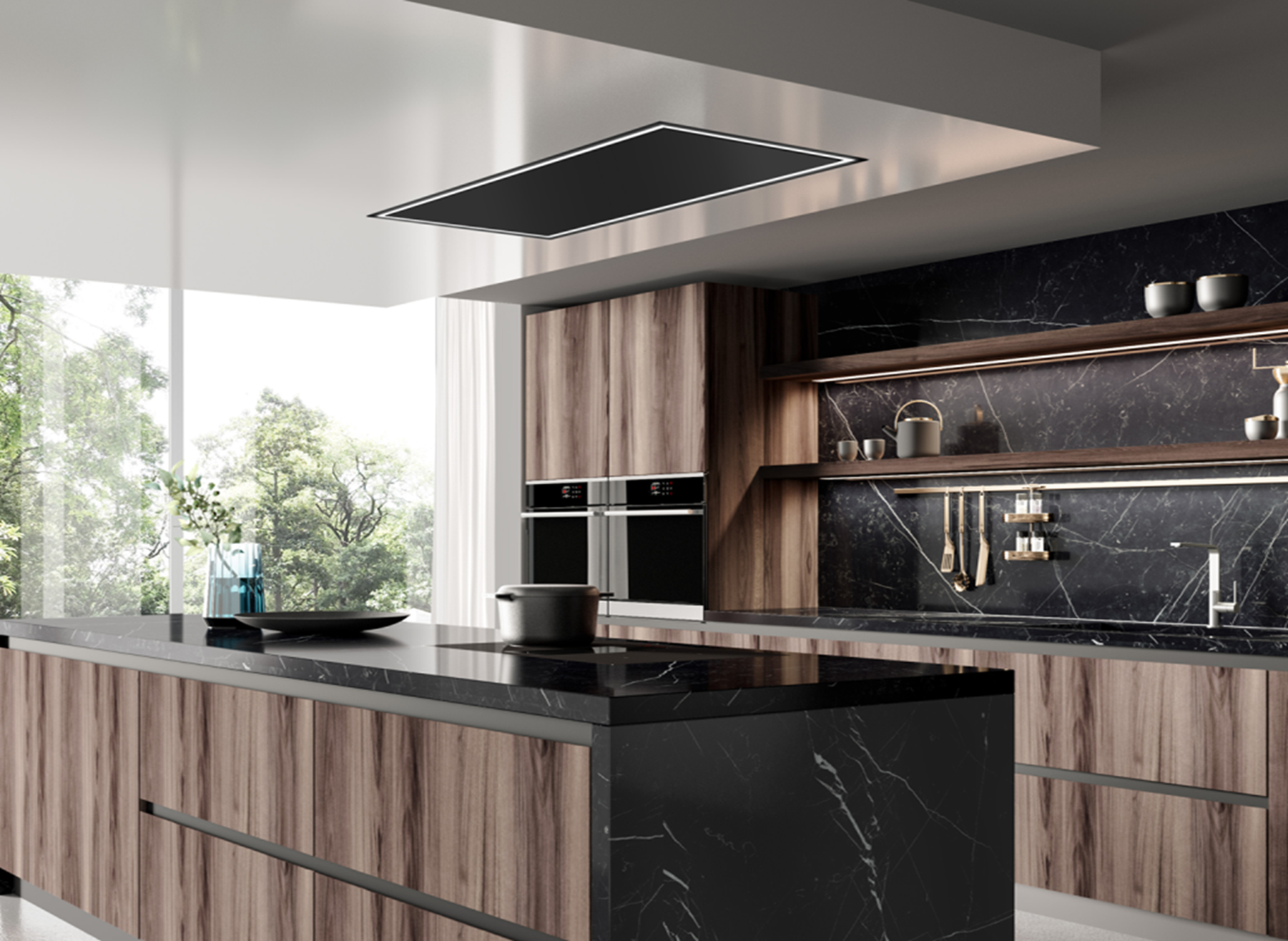
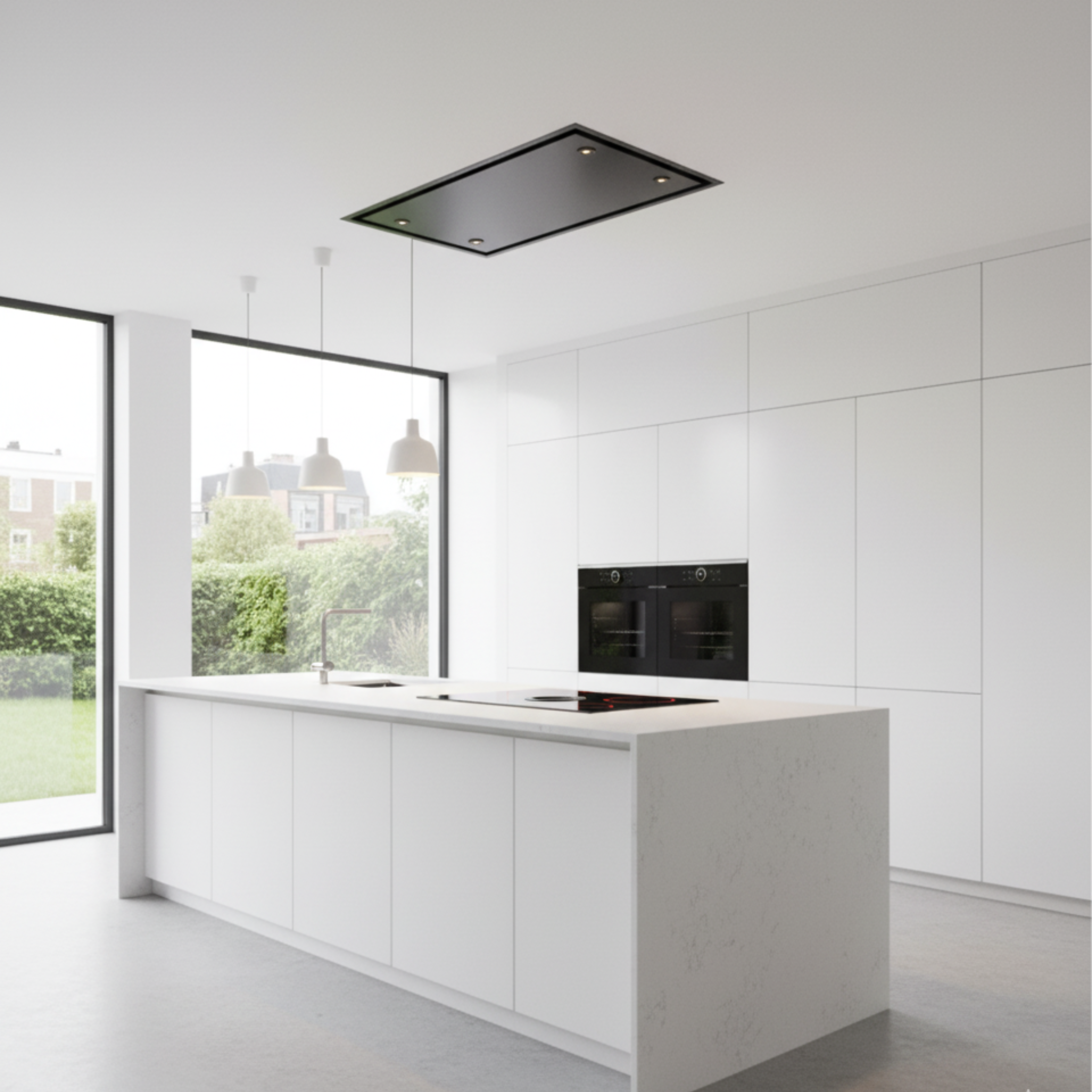
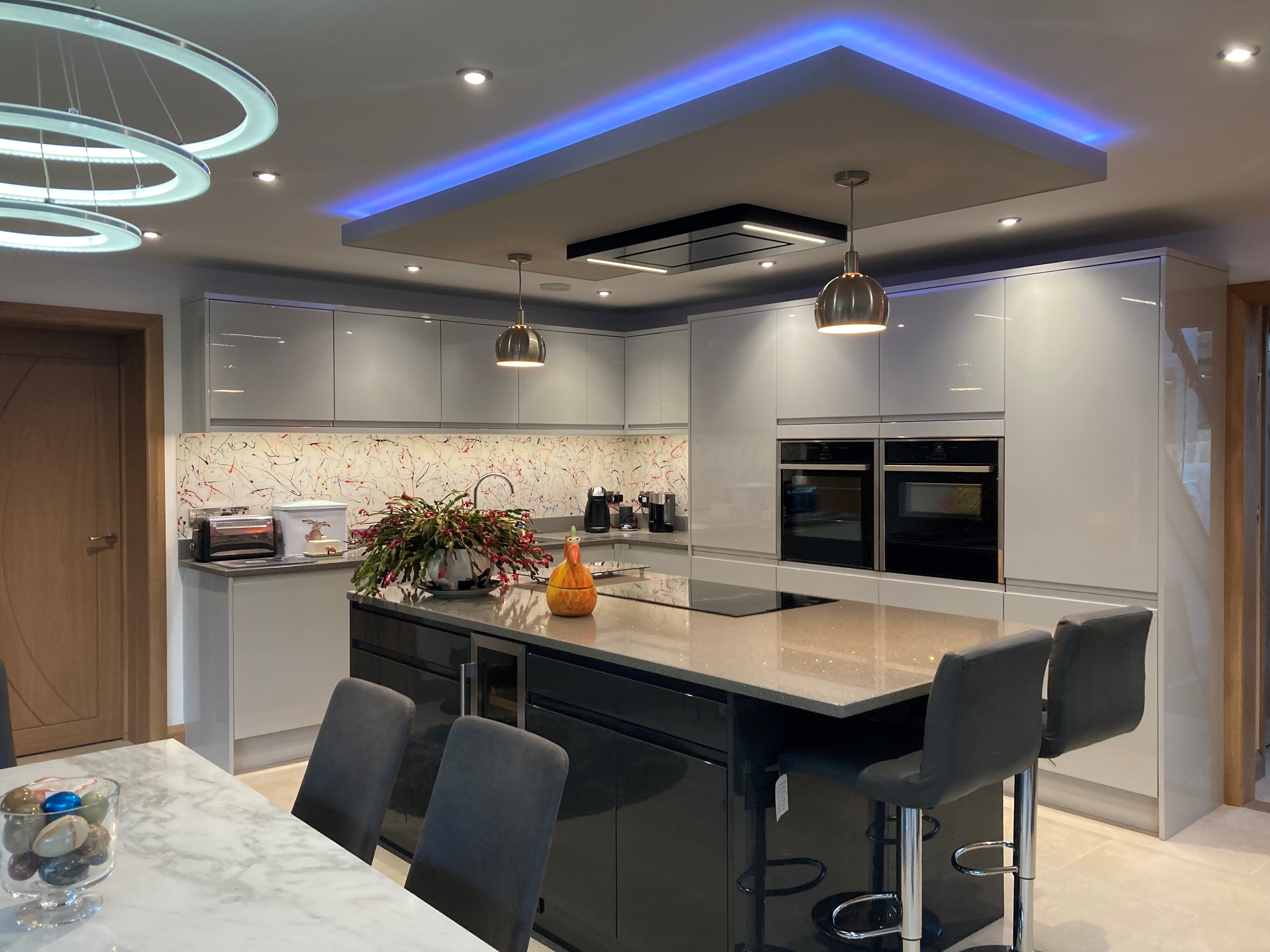
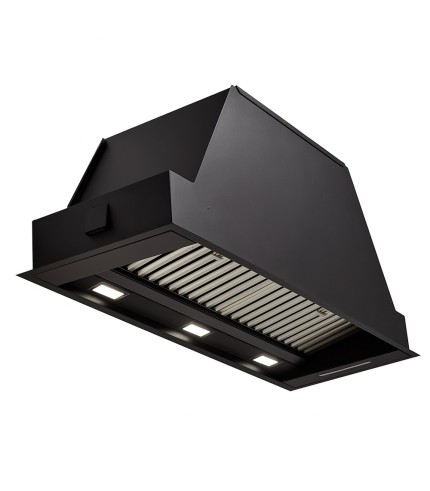
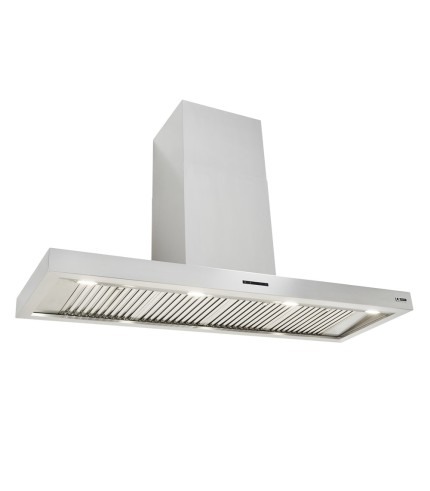
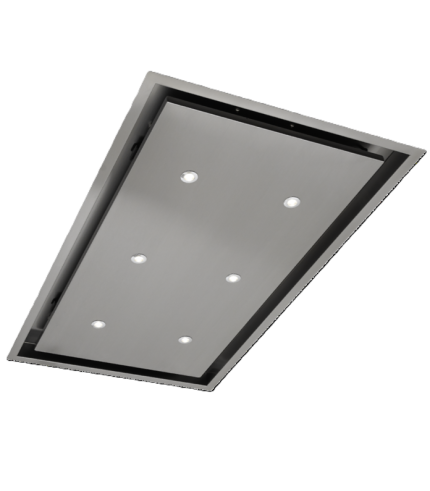
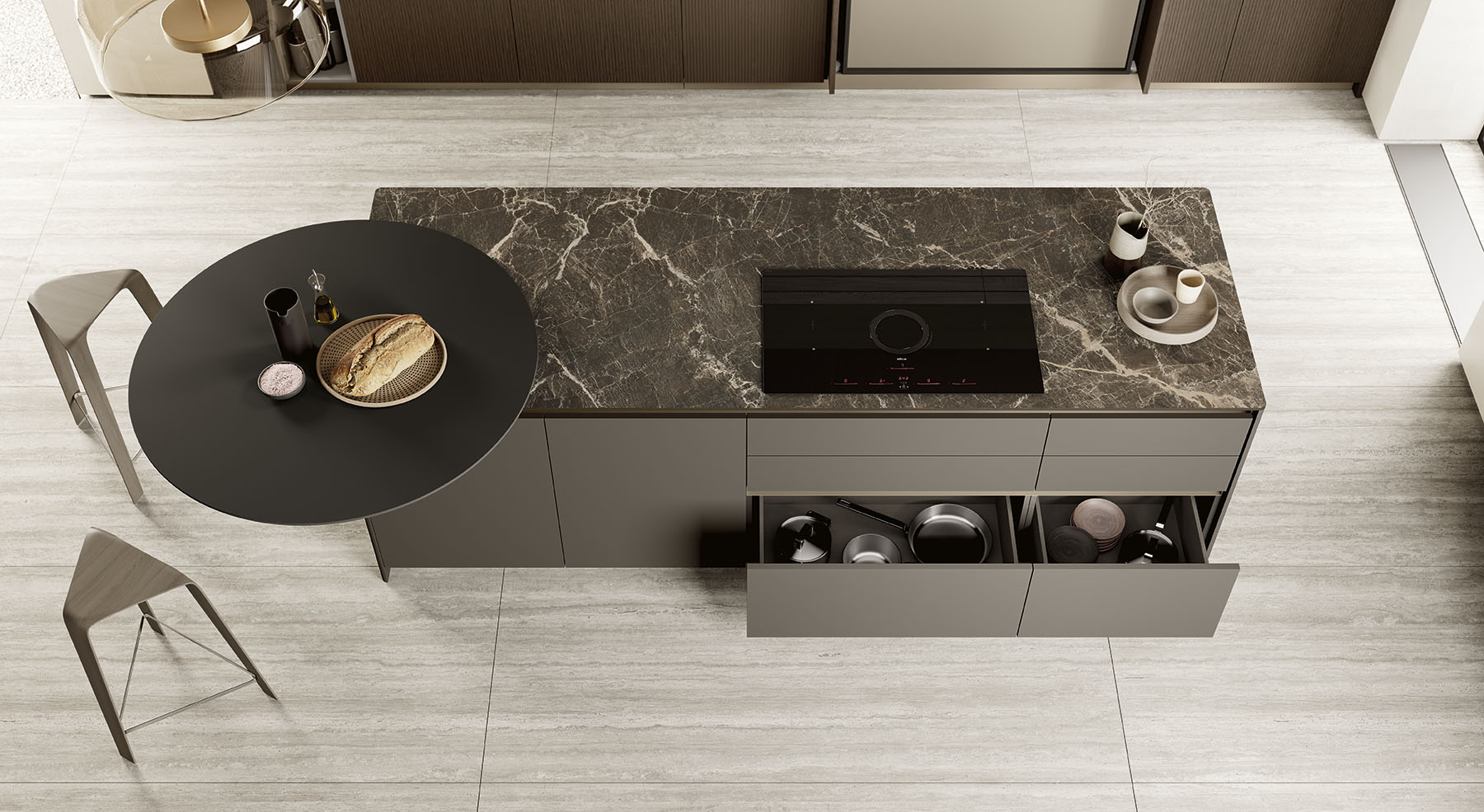
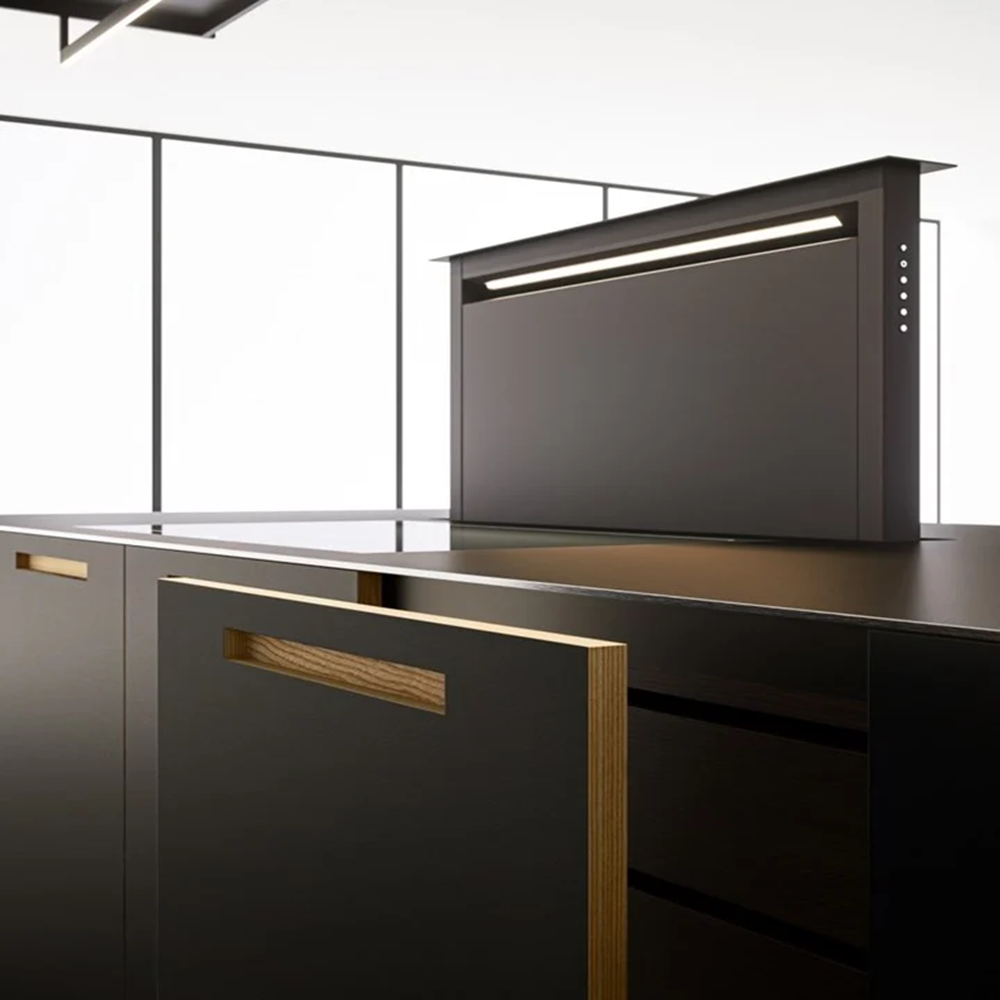
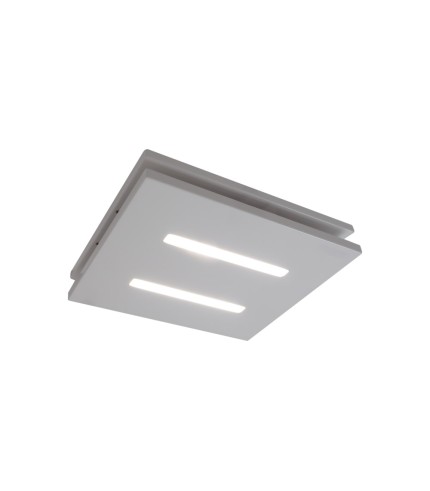
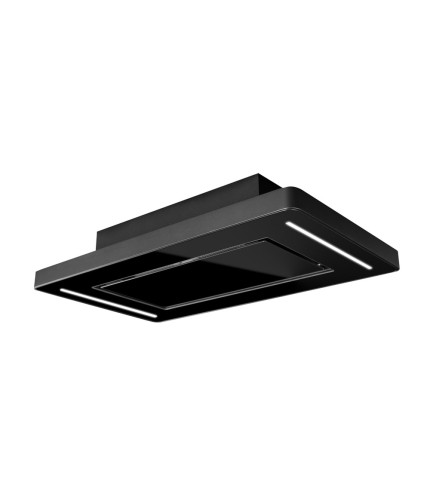
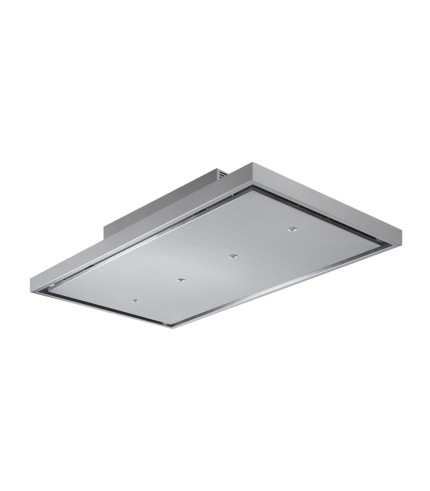
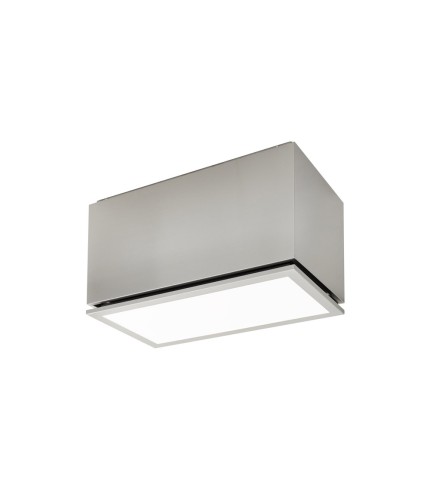
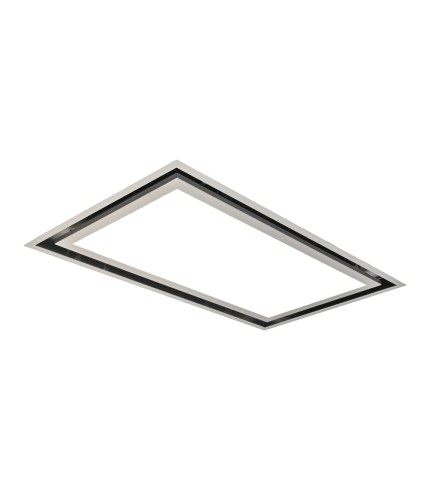
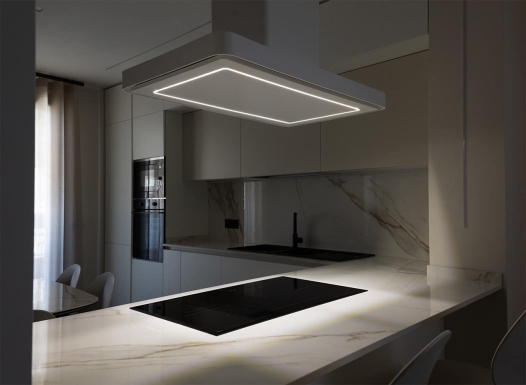
Whether you're looking for a slim canopy cooker hood to sit inside your kitchen cabinets, a statement island cooker hood above a central hob, a flush ceiling cooker hood for a contemporary open-plan kitchen, or a discreet downdraft extractor that disappears when not in use we manufacture the full range. Every Luxair hood is built for powerful, quiet extraction, with motor technologies that outperform much of what you'll find on the high street at twice the price.
Our Best Ever Cooker Hoods Deals Now On
Not All Cooker Hoods Are The Same- - Up to 7 Years Free Warranty - Fast Delivery - Full UK Stocks - Home Delivery Options - Powerful Designer Extraction
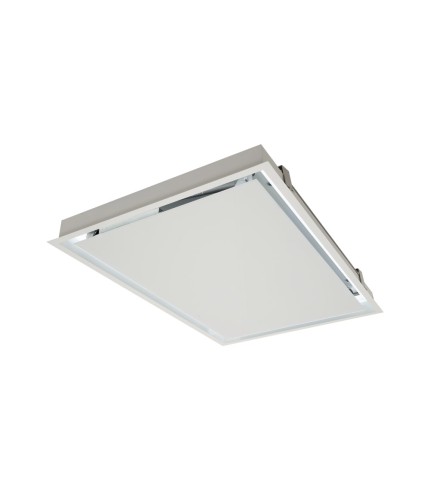
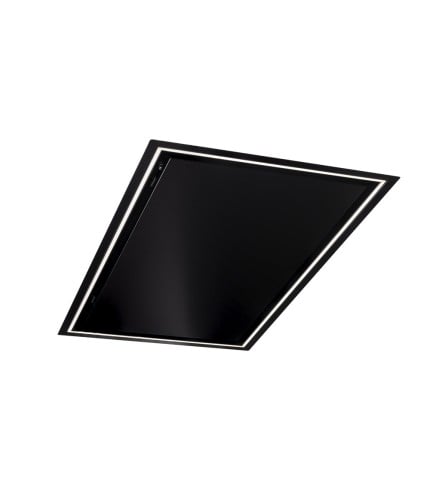
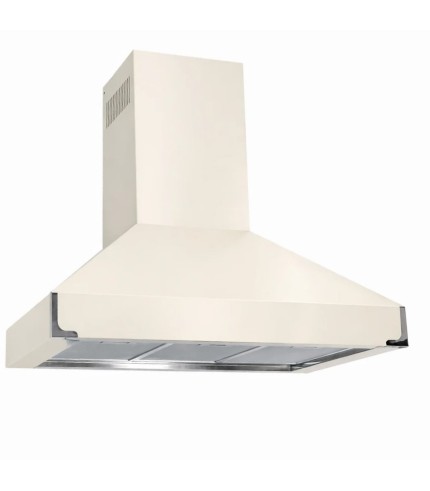

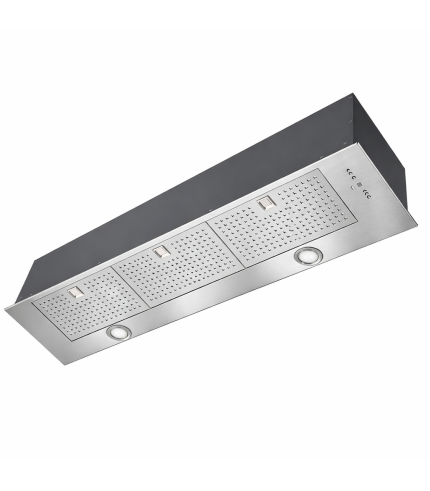
Unbeatable Value, Precision Engineering! Invest in Your Kitchen! - Manufacturer Direct Price!
.png)
Popular Cooker Hoods Categories
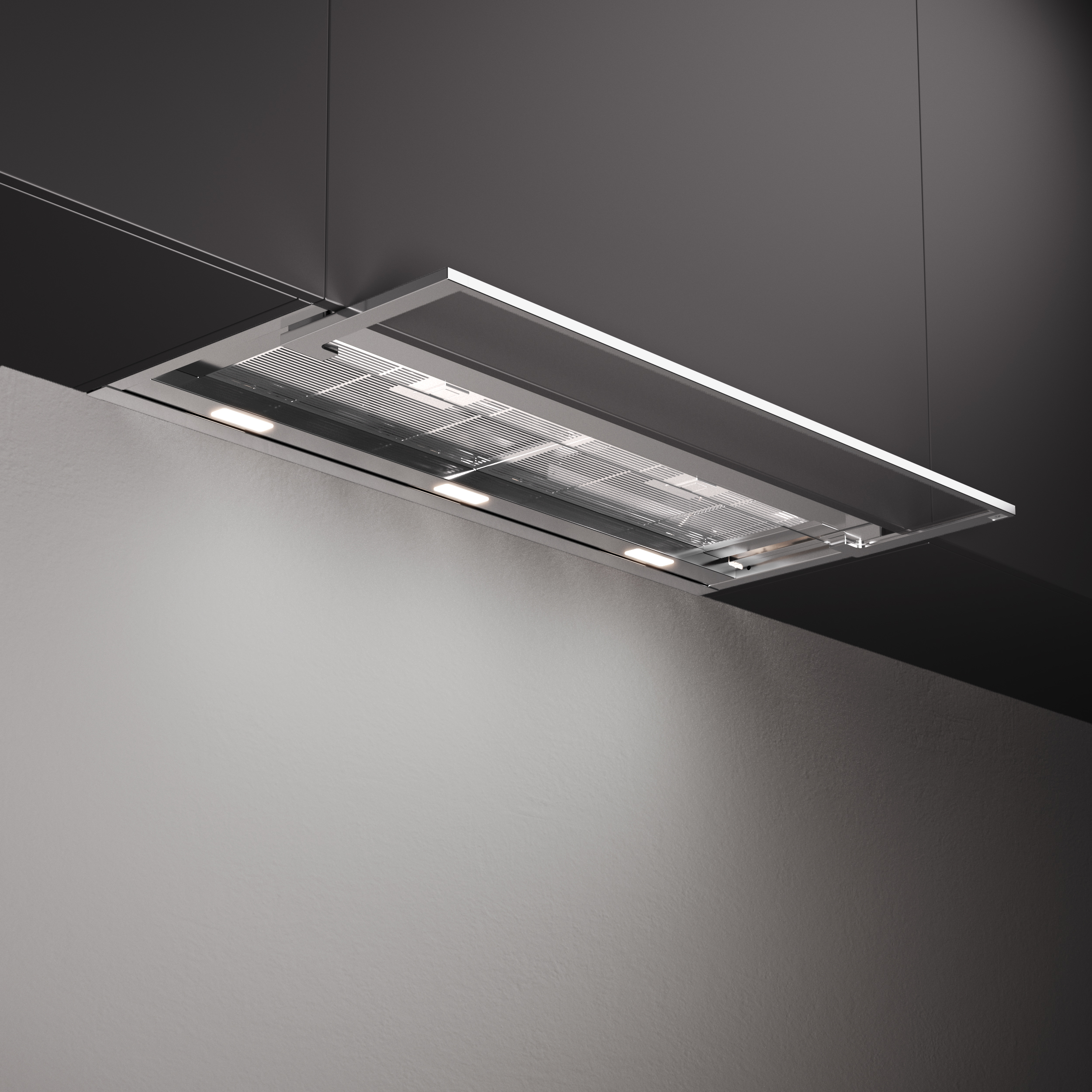
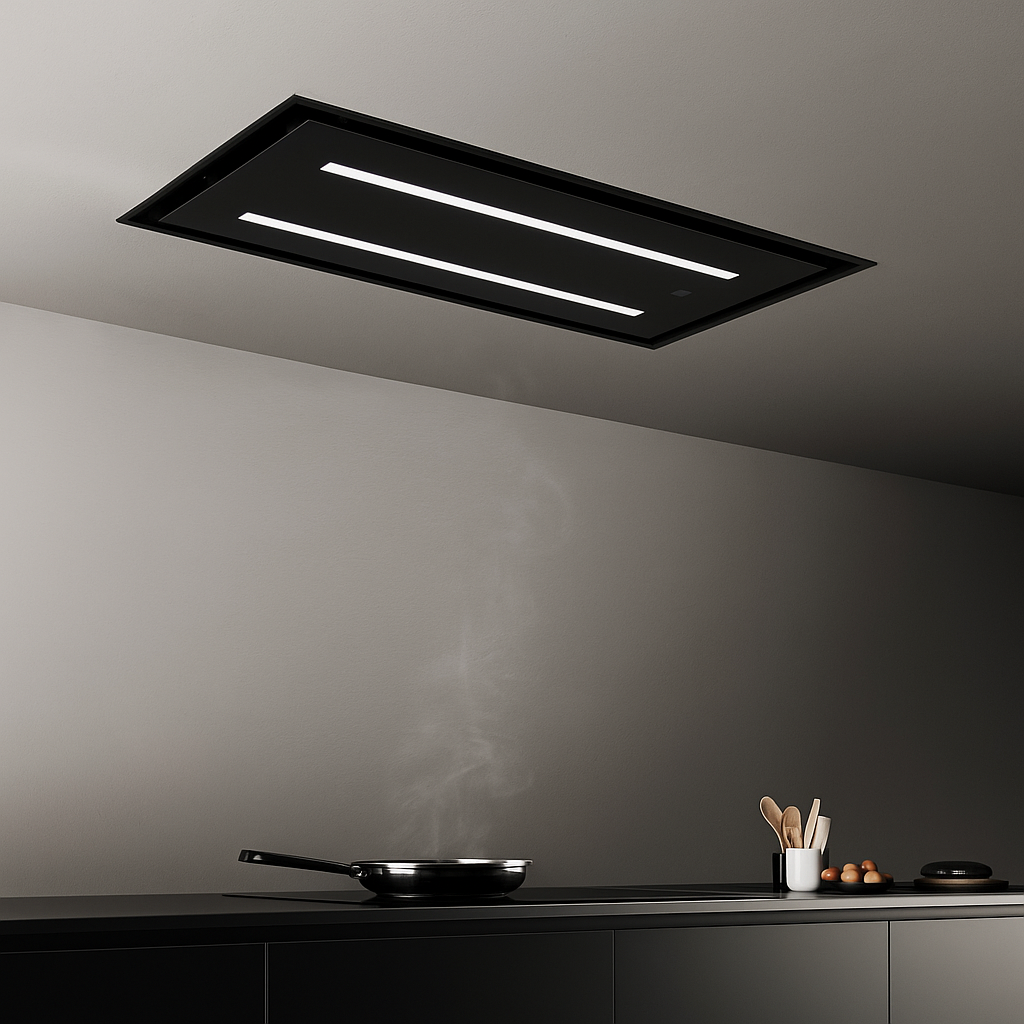
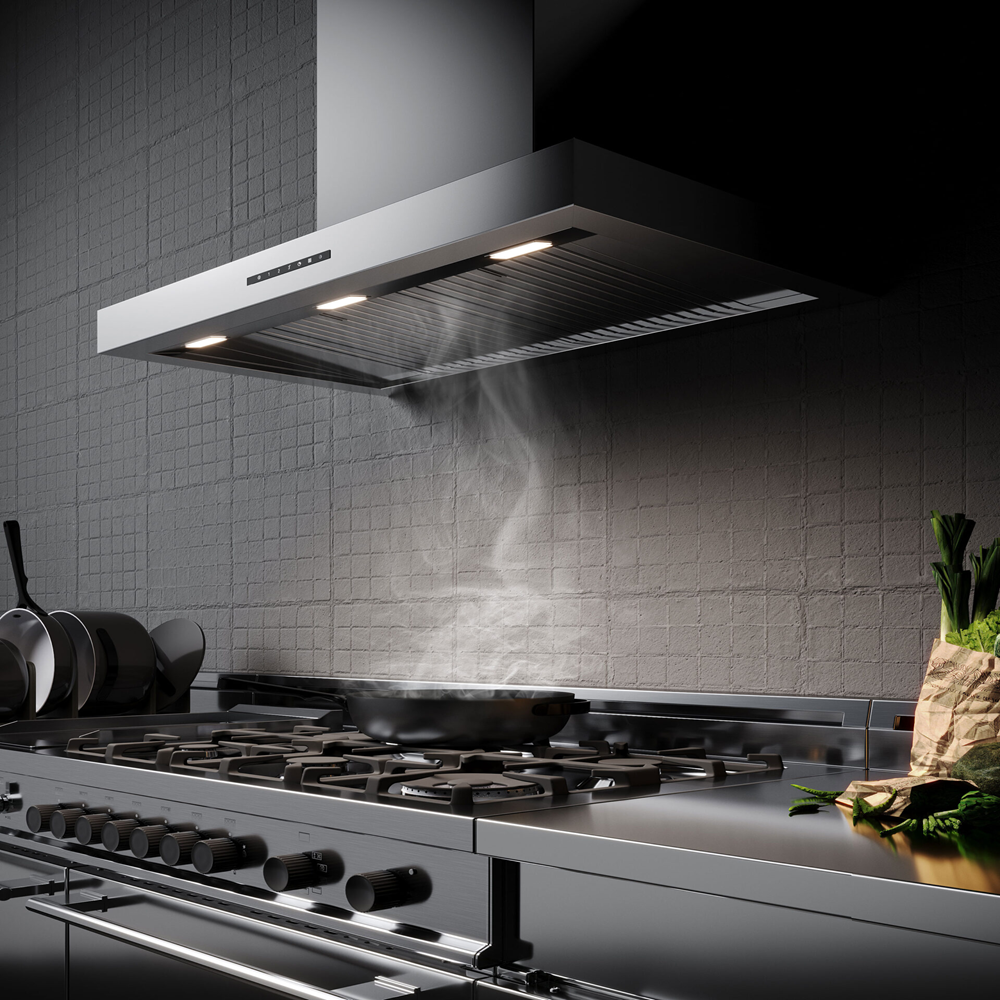
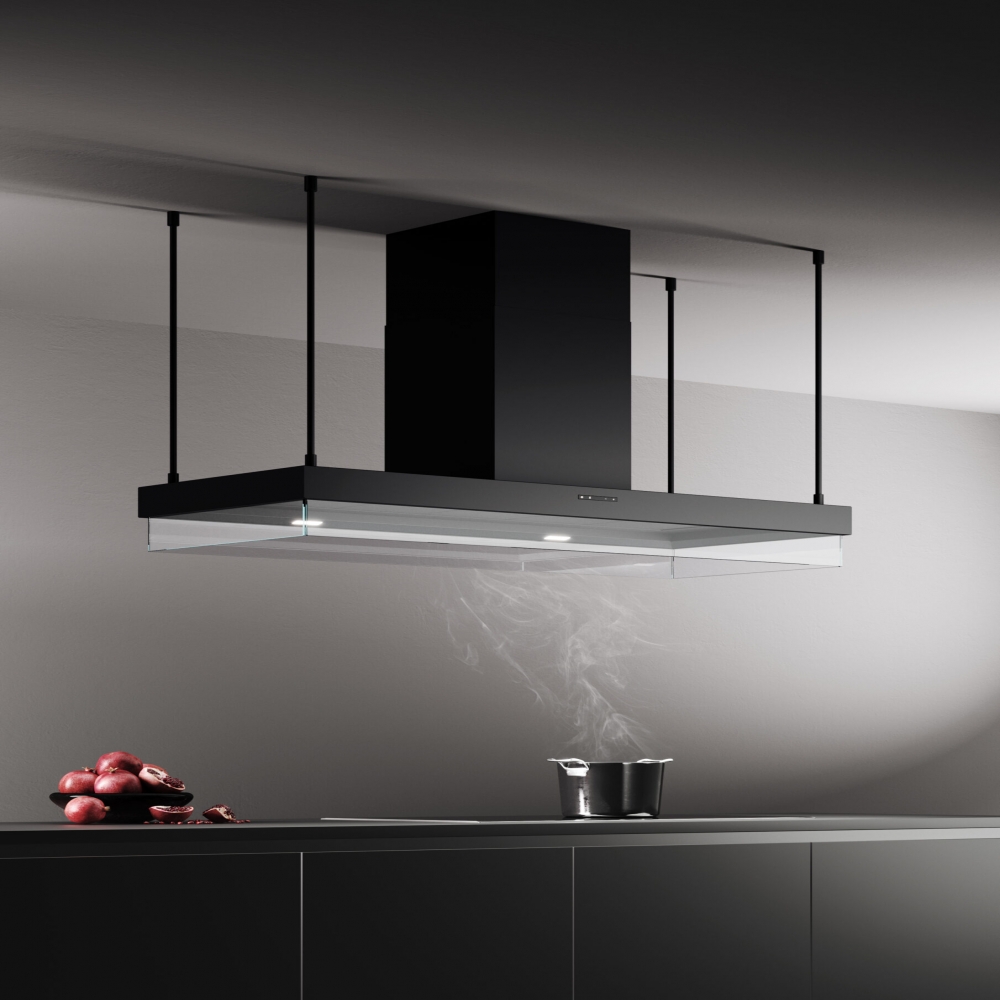
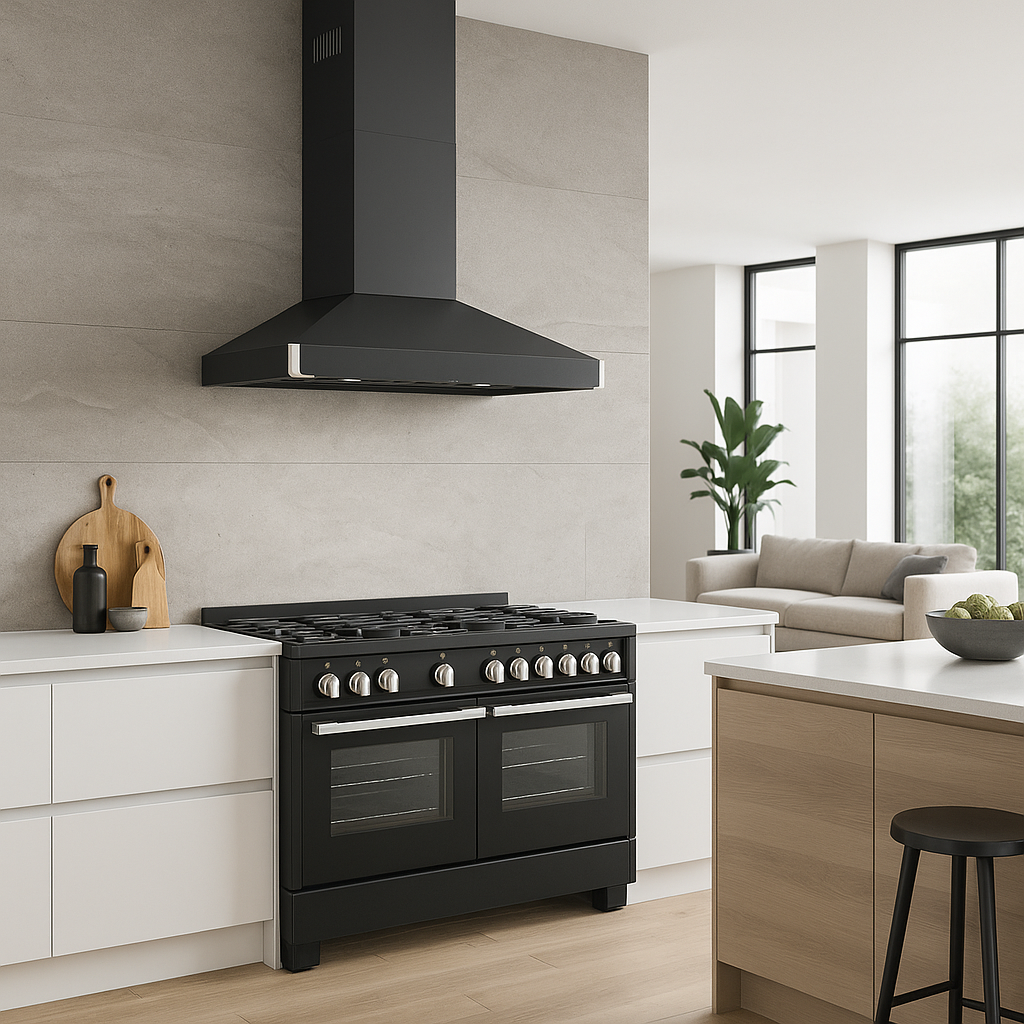
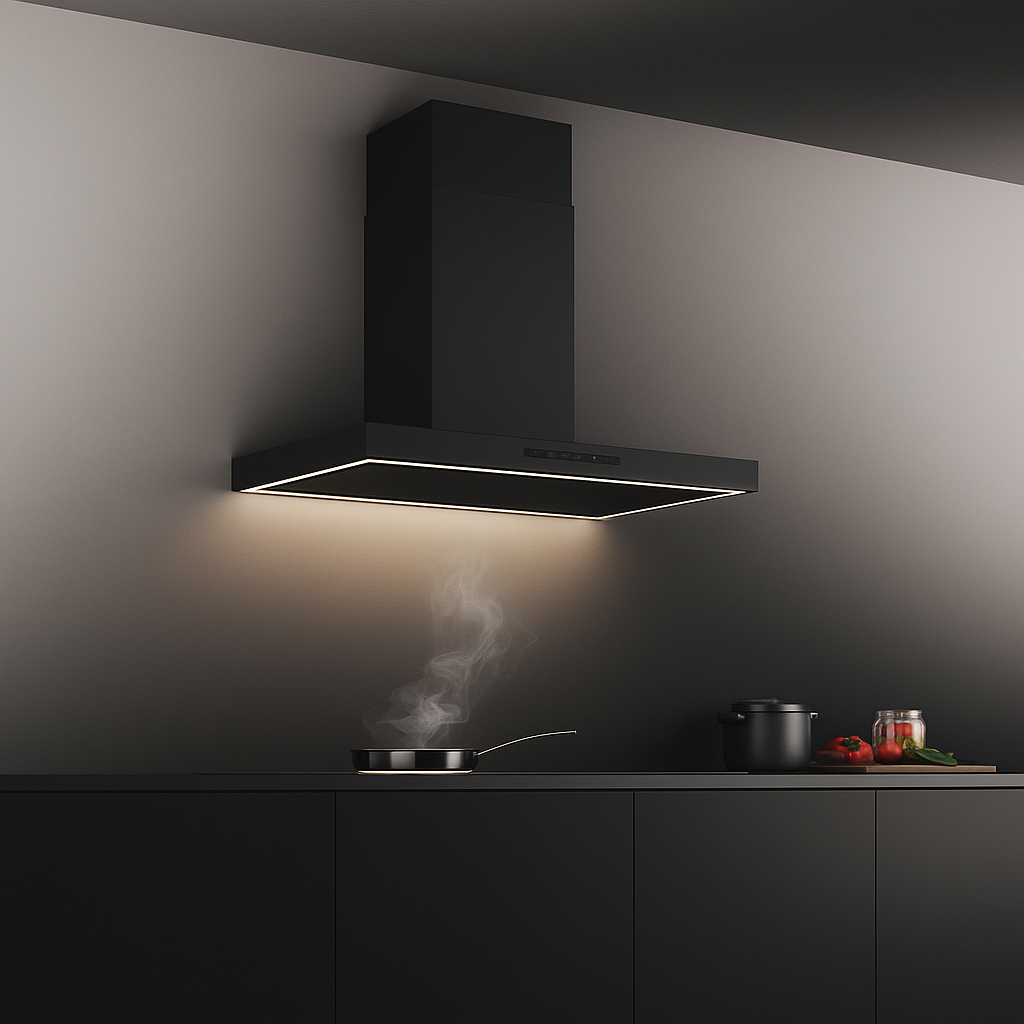
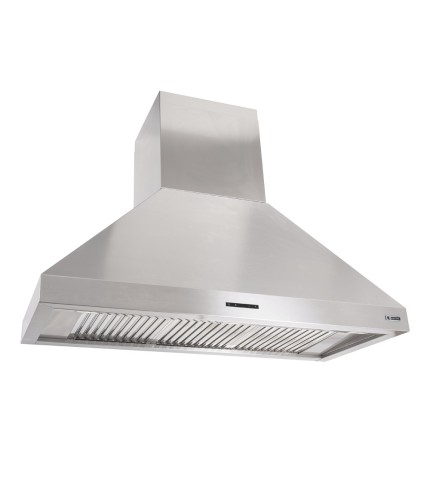
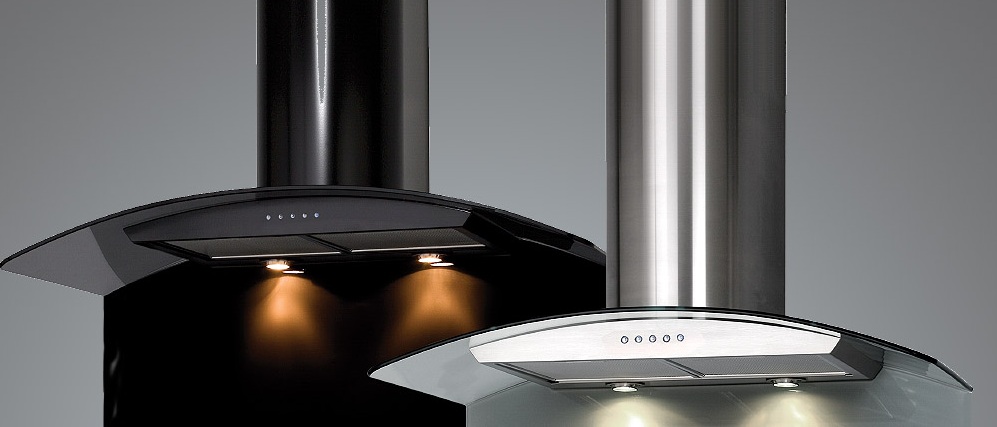
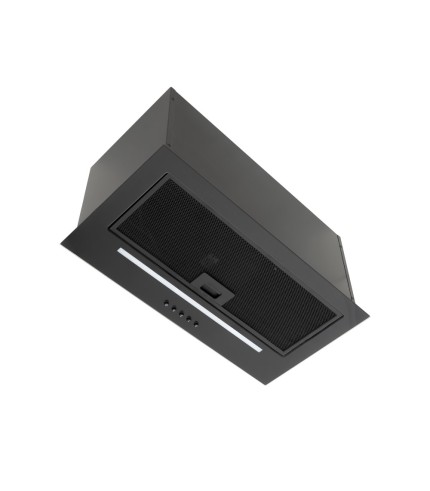
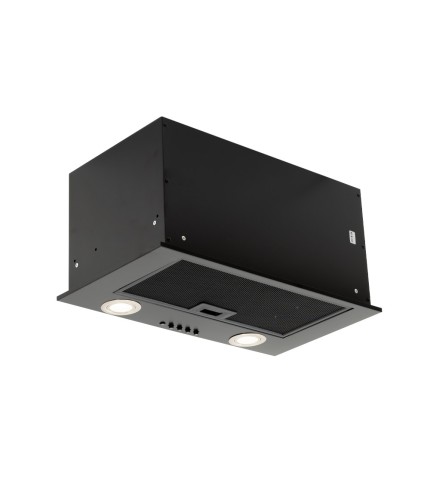
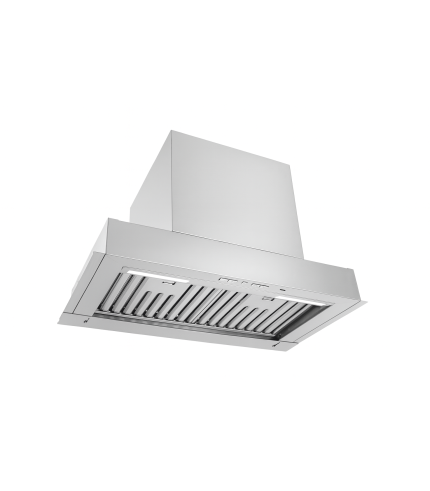
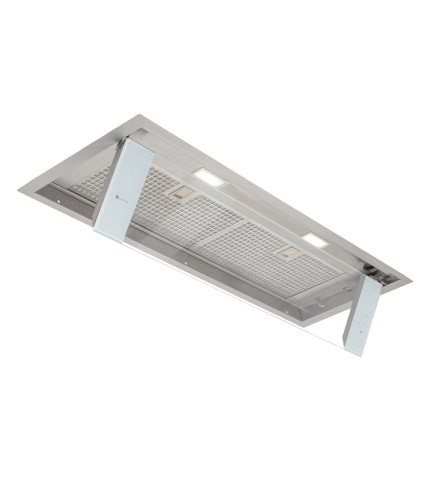
Canopy Cooker Hoods
See our full range of built in powerful designer canopy cooker hoods - select from many size and colour options
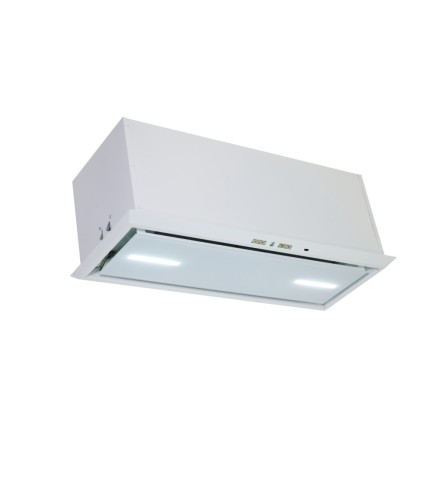
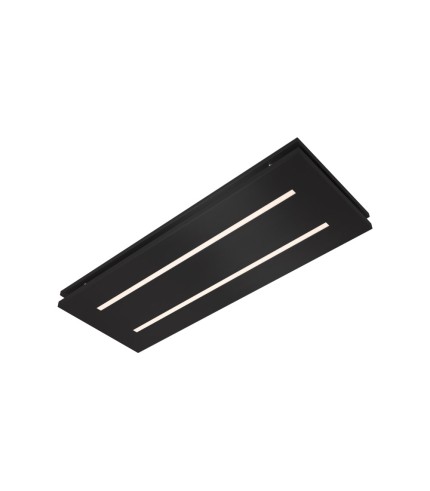
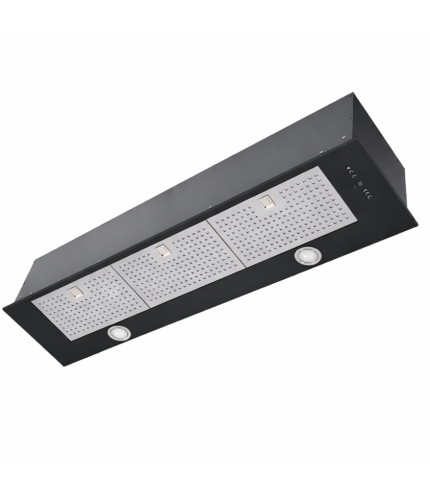
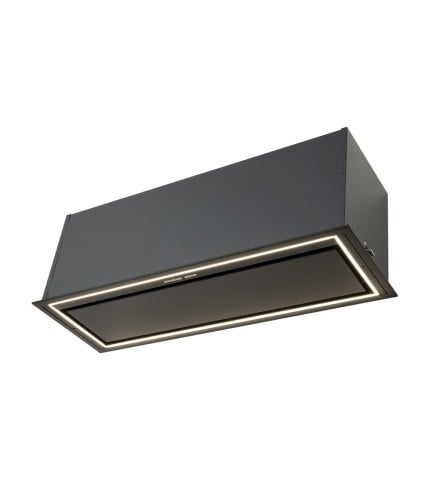
Up To 7 Years Free Warranty Subject To Registration
What sets Luxair apart from other cooker hood brands in the UK is the direct relationship between our factory and your kitchen. We control every stage of production, which means we can back our products with up to a 7-year parts and labour warranty on selected models a level of confidence you simply won't find at most kitchen retailers. We carry a full stock of spare parts and charcoal filters, so your extractor fan keeps performing for years, not months.
Our kitchen extractor fans are trusted by homeowners renovating modern new-build kitchens, professional kitchen designers, and property developers across the UK. From a compact 52cm built-in canopy hood to a 150cm ceiling extractor above a professional range cooker, every product in our range is designed to extract effectively and look exceptional doing it.
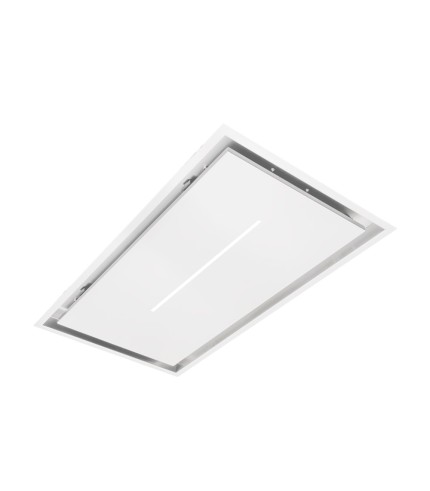
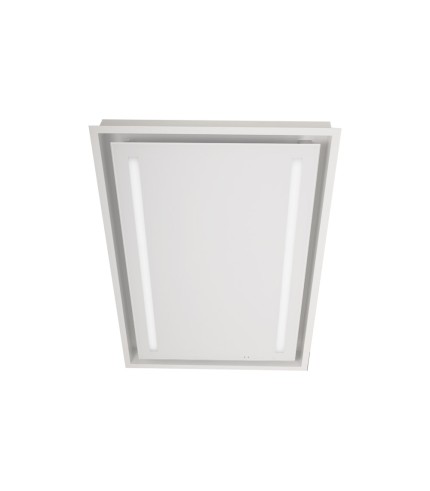
Ceiling Cooker Hoods
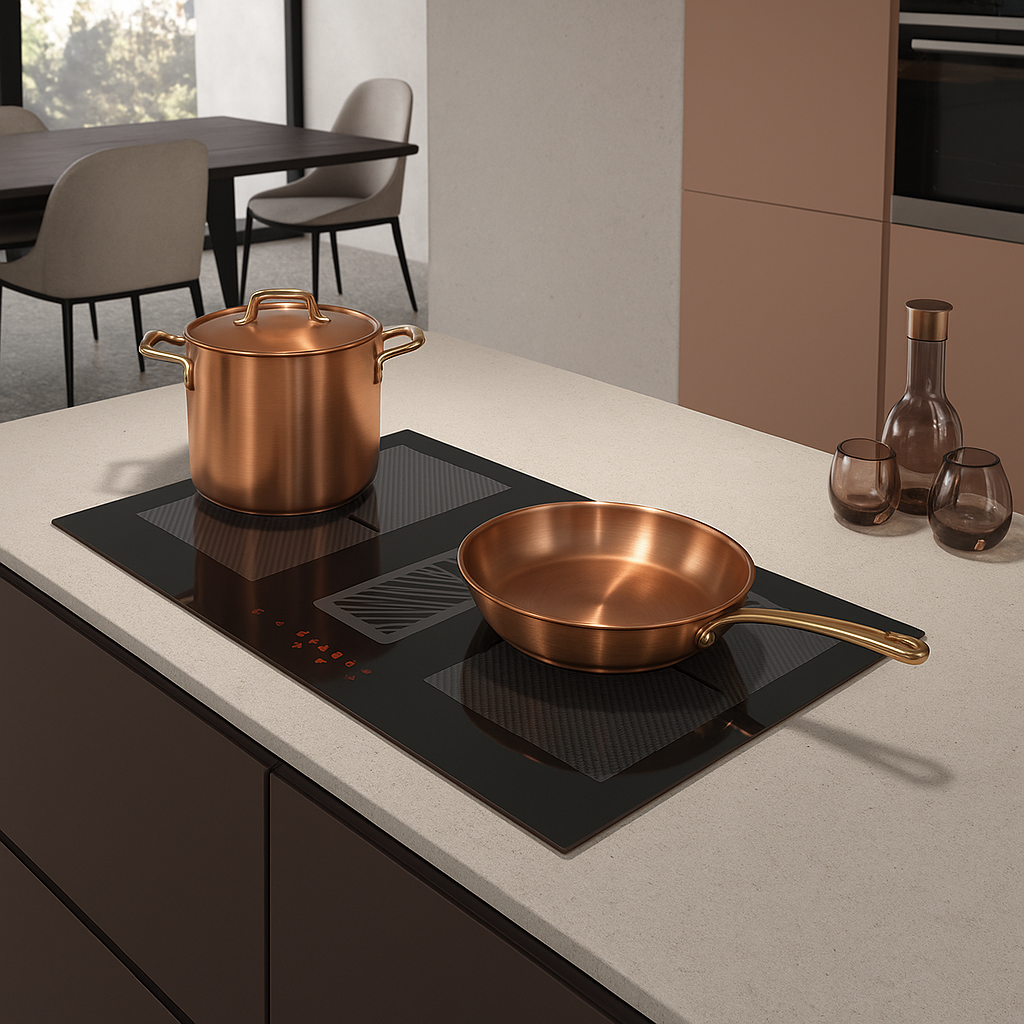
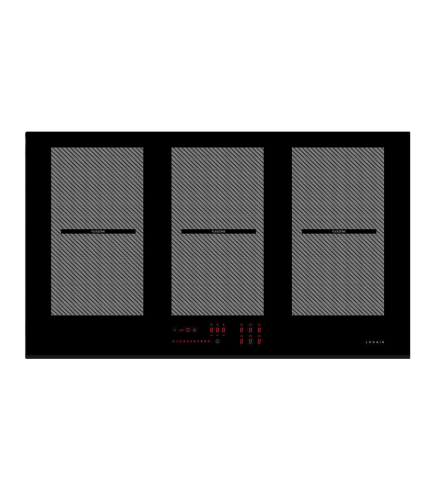
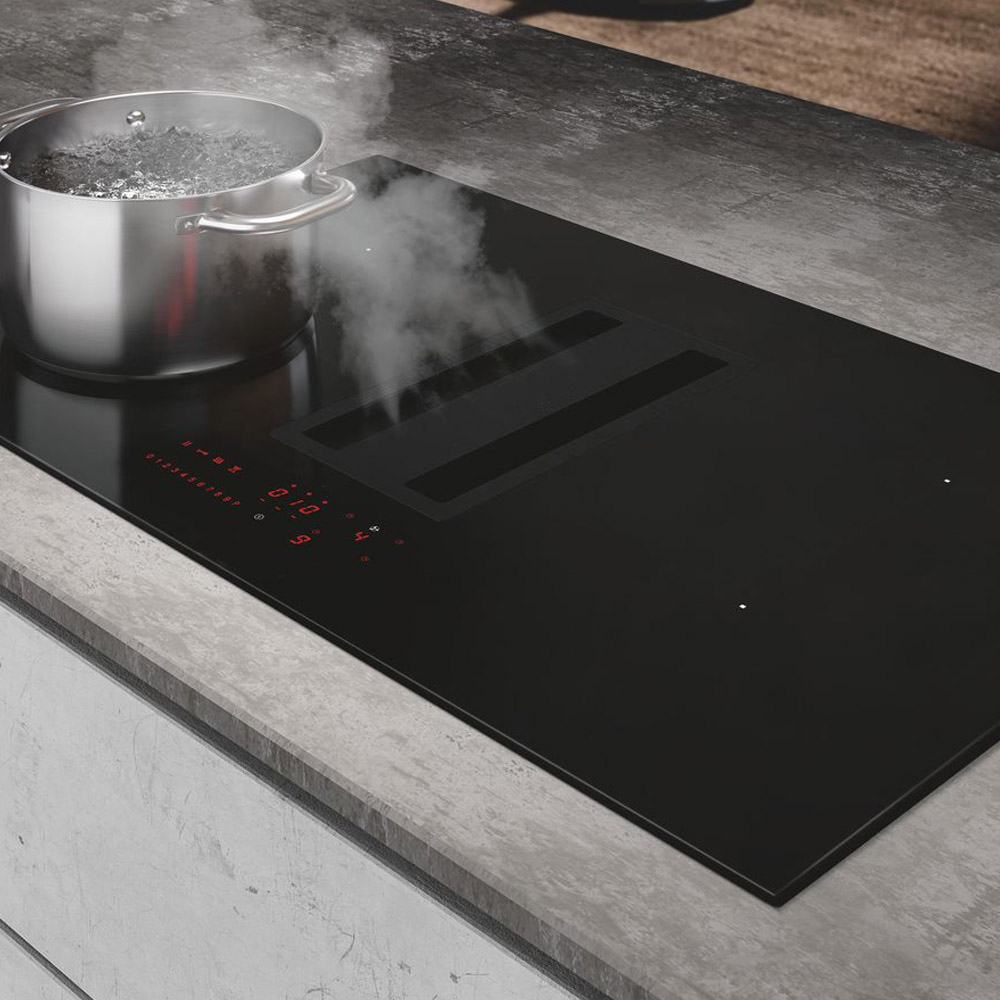
Induction Hobs Sale Now On
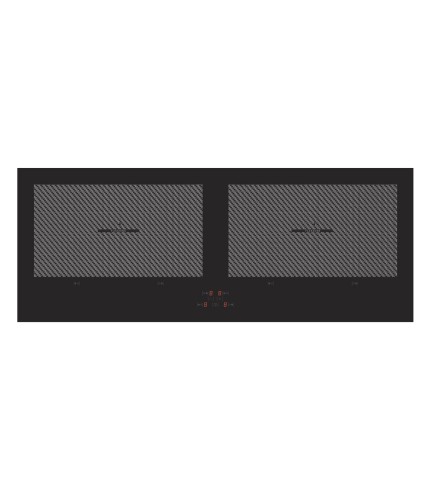
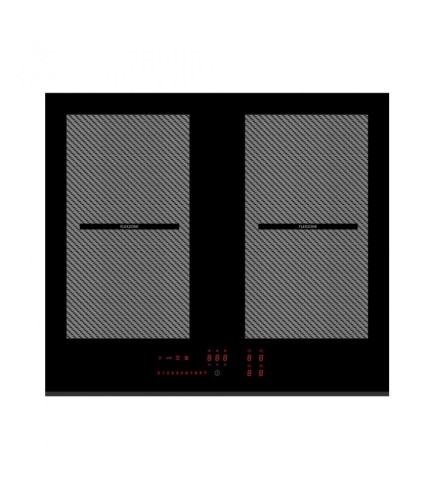
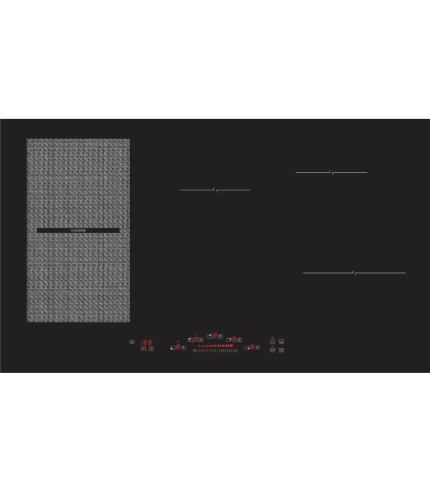
Save 33% Off All Induction Hobs
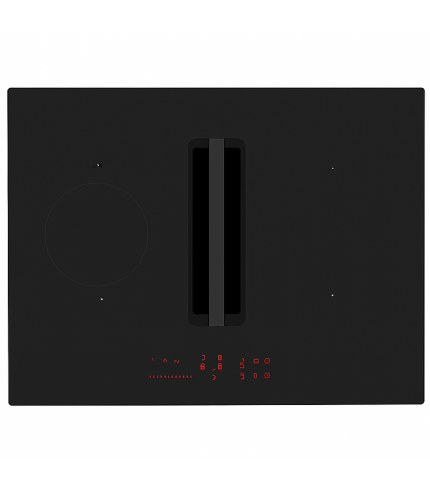
“Save up to 45% on selected Luxair induction hobs. Choose from 60cm, 80cm and 90cm flex-bridge zone hobs with powerful, energy-efficient performance and sleek modern design. Offer only applies to the induction hobs - Offer available while stocks last.”
-430x491.jpg)
Choosing the right cooker hood for your kitchen depends on your layout, hob size, ceiling height, and ducting options.
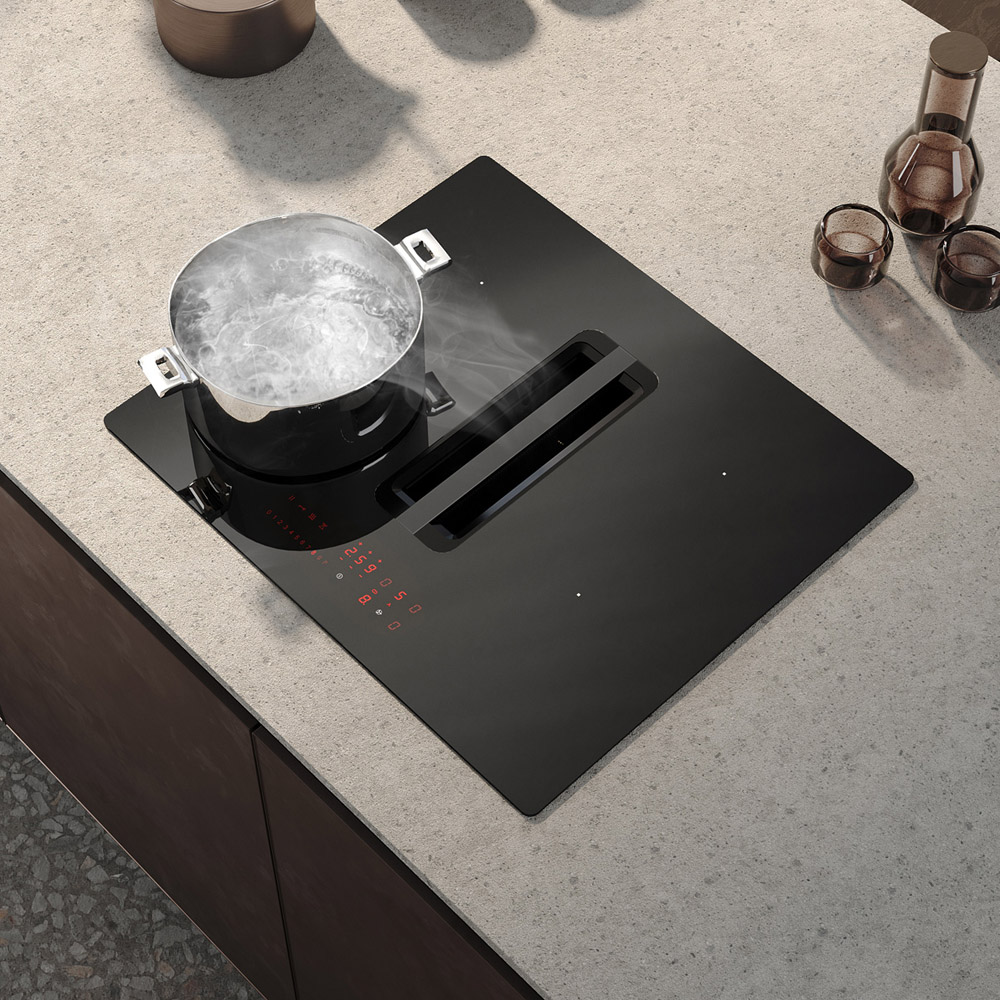
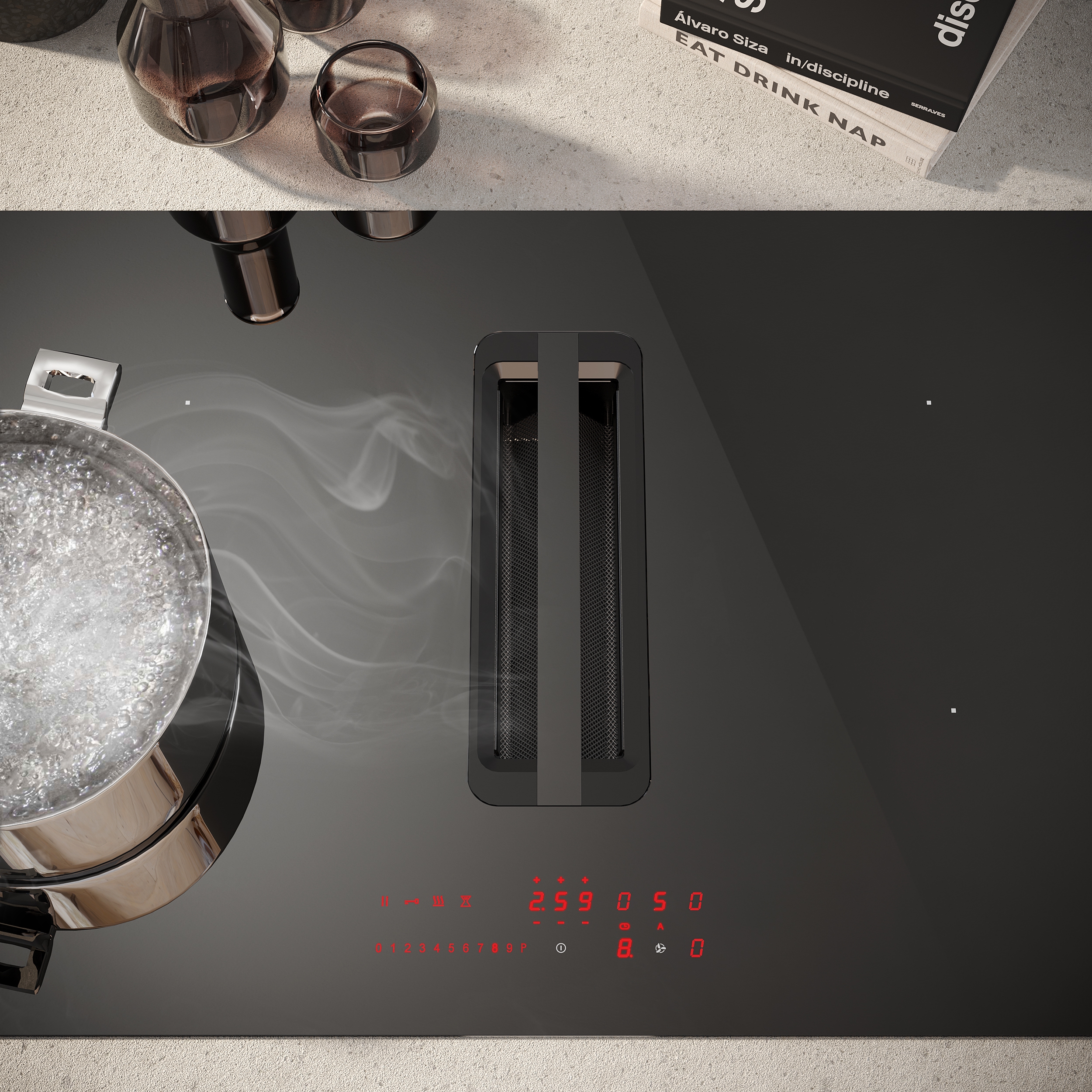
Our team of extraction specialists is based in the UK and available by phone or email to help you find the right model whether that's a wall-mounted cooker hood, a vented induction hob with built-in extractor, or a recirculating ceiling hood where ducting isn't possible.
Browse our full range of cooker hoods online, or call us on 01765 641 888
and speak directly with someone who knows these products inside out.
KEEP IN CONTACT FOR ALL THE LATEST NEWS
Luxair Cooker Hoods News Letter